
 966
966




31 January 2020, Baku:The Management Board of the Central Bank of the Republic of Azerbaijan decided to reduce the refinancing rate by 25 basis points to 7.25% from 7.5%. The ceiling and the floor of the interest rate corridor were set at ±1.75% range to the refinancing rate (9% and 5.5%).
Next decisions on the interest rate corridor parameters will be taken in light of the dynamics of macroeconomic fundamentals and likelihood of realization of inflation risks.
Inflation and inflation expectations. Since the last meeting of the Management Board dedicated to the monetary policy the annual inflation rate slowed down and approached the floor of the target band. The annual inflation rate dropped to 2.4% due to lower than expected inflation in December (0.5%).
Price hike on the food products that contribute to total inflation was 4.2%. The food inflation was higher than the band center, owing to both wider aggregate demand and price increase in the global food market. The global food price index increased by 2.5% over the recent month and by 12.5% over the recent one year. Over the recent 1 year global meat prices hiked by 17.9%, dairy products by 17%, vegetable oils by 31%, and sugar by 6%.
Annual price hike was 1% and 0.9% on non-food products and services respectively. Low inflation on non-food products is attributable to domestic production driven by high aggregate supply and depreciation of exchange rates of national currencies of certain partner countries. No rise in administrative prices factors in low rate price increase on services.
Low actual inflation under way for already 8 months and balanced FX market are the factors behind stable inflation expectations. Real sector monitoring (RSM) suggests that inflation expectations in January decreased in non-oil industry and construction and remained unchanged in trade compared with the previous month.
Updated forecasts indicate that if current macroeconomic trends linger, inflation will remain within the target band (4±2%) in 2020.
Monetary condition. Monetary condition eased in 2019 both in decreasing cost of money and increasing size of money.
After 27.3% rise in 2019 money base decreased by 4.5% over the past period of 2020, mainly due to changes in the balance of a single treasury account.
Eased monetary condition is being transmitted to high credit investments, longer lending maturity and lower average interest rates on new loans. Interest yield on government securities and CBA notes is dropping.
Economic activity. Positive dynamics of economic growth continues amid wider aggregate demand and consumption in particular. According to official statistics, in 2019 real economic growth stood at 2.2%. Non-oil economic growth was 3.5%, driven by trade; trade posted 10.5%, non-trade 2.2% growth.
According to RSM, the business confidence index increased in the non-oil industry and trade, and remained stable in construction in January compared to the previous month.
International conjuncture remains stable for Azerbaijan. Average oil price was $64.2 per barrel in 2019 and $63.7 in January 2020. Non-oil exports increased by 15.7% in 2019 and surpassed non-oil imports by more than 2 times (6.6%), excluding monetary gold imports.
After 14% rise in 2019, strategic foreign exchange reserves of the country increased by 1.9% ($986M) over the past period of 2020 and exceeded $52B.
Inflation risks. On a short-term horizon stabilizing factors in the balance of inflation risks are maintaining their advantage, owing to the effect of favorable international conjuncture and wider non-oil exports on the FX market and expectations. However, on the other hand, considerable rise in current expenditures of the state budget and money supply, as well as global food price hike may influence prices with a certain lag. Volatility in international commodity and financial markets due to global economic slowdown retains the potential to affect internal macroeconomic stance. Probability of economic slowdown in the second largest economy of the world due to coronavirus outbreak increases volatility risks in global commodity markets.
The Central Bank will take next monetary policy decisions in light of macroeconomic implications of the monetary condition, the dynamics of interest rates in various segments of financial – money markets and the actual and forecast inflation.
The decision takes effect on 31 January 2020. The next decision of the Management Board of the Central Bank on the interest rate corridor parameters will go public on 19 March 2020.
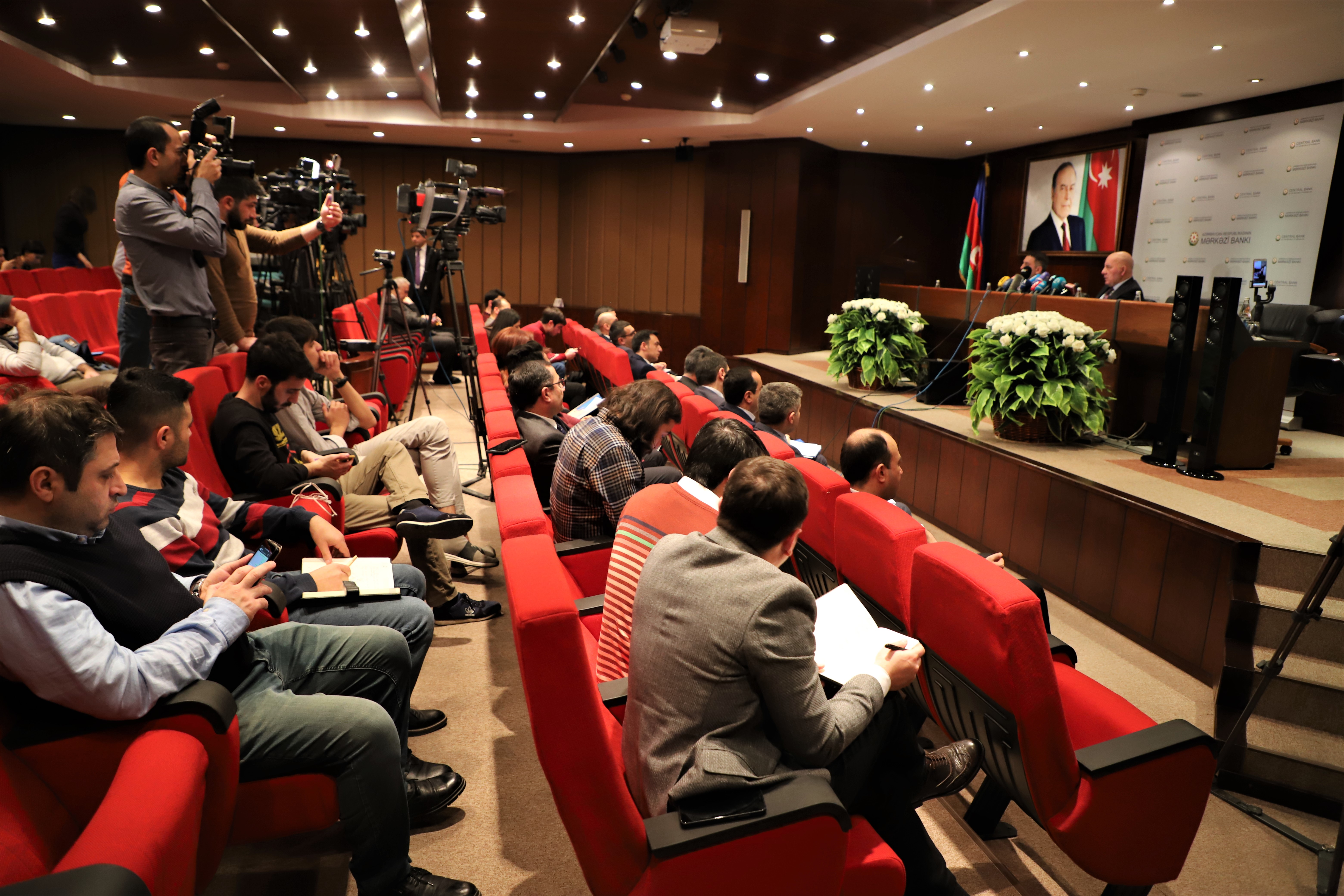
31.01.2020